Picking the right roof rack starts with understanding your vehicle roof and what you actually plan to carry. Get this decision right and you'll have gear that fits, performs, and lasts. Get it wrong and you'll be dealing with wind noise, poor fit, or a system that can't handle your load.
Know Your Roof Type
Most vehicles fall into one of three roof categories, and each requires a different rack style:
- Raised rails: Factory rails that sit above the roofline. These accept crossbars that clamp directly onto the rails, usually without drilling.
- Flush rails: Rails that sit flat against the roof. These need specific flush-mount crossbar systems designed to clear the lower profile.
- Bare roof (no rails): Vehicles without factory rails need a track mount system or fixed-point mounting kit installed first, then crossbars attached to that base.
Measure your roof rail height and spacing before ordering. Most product listings include the compatible rail types and dimension ranges.
Aerodynamic vs. Traditional Profile
Aerodynamic roof racks use a teardrop or wing-shaped crossbar profile that cuts through wind more efficiently than traditional square bars. The benefits are real: less wind noise on the highway and modestly better fuel economy when the rack is empty. If you drive long distances regularly, this upgrade pays for itself in comfort alone.
Traditional square-profile bars are typically less expensive and offer slightly more surface area for clamping accessories like bike mounts or roof boxes. If budget matters more than wind noise, a standard profile still gets the job done.
Weight Capacity Matters More Than You Think
Every roof rack has a static weight rating (while parked) and a dynamic rating (while driving). Dynamic capacity is always lower and is the number that matters for safety. A rack rated for 150 lbs dynamic weight cannot safely carry that same load at highway speeds with a cargo box, roof tent, or multiple bikes attached — check both numbers and load accordingly.
Add up the actual weight of everything you plan to mount: the crossbars themselves, any accessories, and your cargo. Stay under the dynamic rating with margin to spare.
Installation Complexity
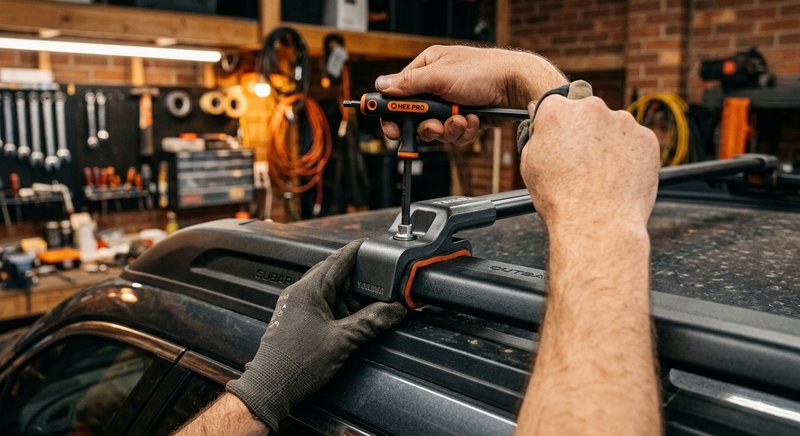
Modern roof racks range from tool-free quick-lock clamps to systems requiring a hex key and precise torque specs. If you plan to remove and reinstall your rack frequently (for garage clearance, for example), prioritize a tool-free clamp design. If the rack stays on permanently, a more secure bolted system may offer better long-term stability.
Material: Aluminum vs. Steel
Aluminum roof racks are lighter, resist corrosion naturally, and are the standard choice for most passenger vehicles and SUVs. Steel roof rack systems offer higher weight capacity and are common on heavier-duty applications like overlanding setups carrying rooftop tents and large cargo boxes. Choose based on your vehicle's weight tolerance and intended cargo load.
The right roof rack disappears into your daily driving — quiet, secure, and exactly the right size for what you carry. The wrong one reminds you it's there every mile.
Match the Rack to the Trip
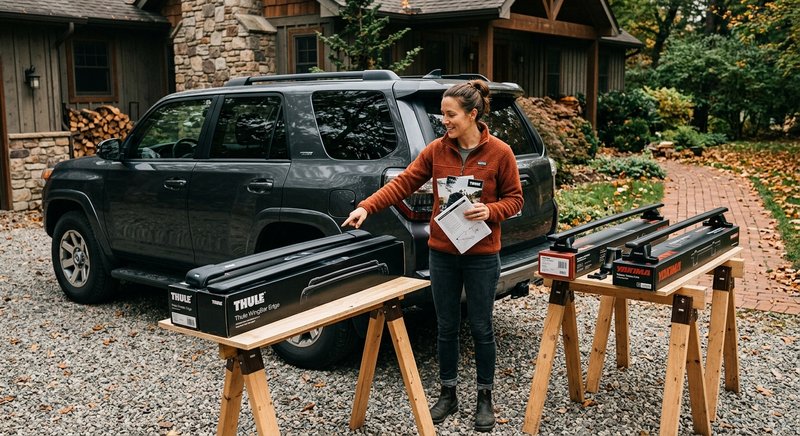
A weekend camper hauling a rooftop tent needs a different setup than someone who occasionally straps down a kayak. Be honest about your actual use case before comparing specs. Buying more capacity than you need adds cost and weight; buying less than you need risks failure under load.
Browse Our Roof Rack Collection
Our roof rack lineup includes aerodynamic and raised rail designs in aluminum and steel, rated from 150 to 400+ lbs depending on the system. Shop roof racks →