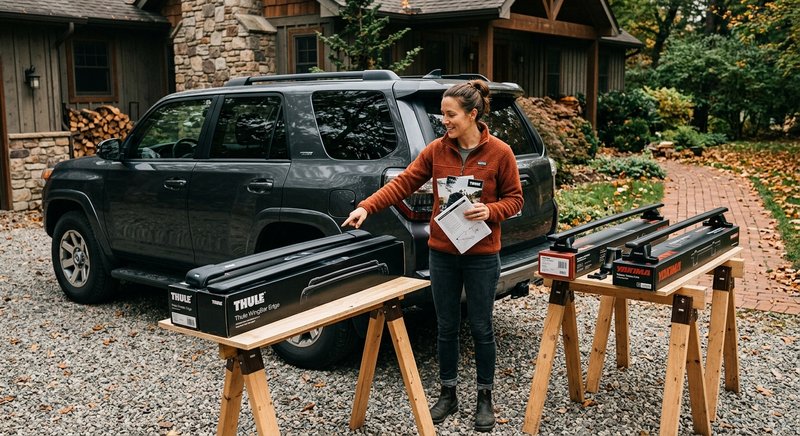
A roof cargo carrier extends your storage capacity for road trips, camping gear, and anything that won't fit in the trunk. Choosing the right size and style makes the difference between a smooth trip and a frustrating one.
Determine the Capacity You Need
Cargo carriers are measured in cubic feet, typically ranging from 10 to 20+ cu ft. As a general guide:
- 10-13 cu ft: Suitable for a couple's weekend trip or additional overflow storage
- 13-16 cu ft: Good for a family of four on a week-long trip
- 16-20+ cu ft: Best for extended trips, camping gear, or larger families
Remember that a fully loaded carrier at maximum capacity will affect handling and fuel economy more than a partially loaded one. Buy slightly larger than your minimum need rather than maxing out a smaller box.
Check Roof Rack Compatibility First
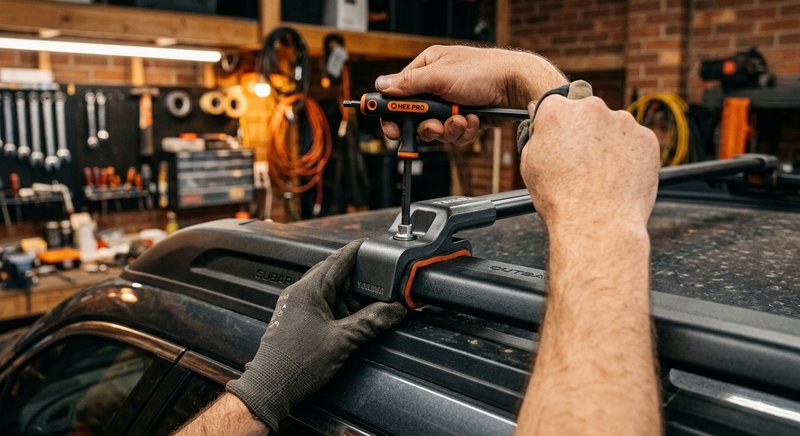
Cargo carriers mount onto existing crossbars, so confirm your crossbar spacing matches the carrier's mounting hardware range before ordering. Most carriers are designed to fit a wide range of aftermarket and factory crossbar spacings, but always verify against the product specifications.
Aerodynamic Shape Matters for Fuel Economy
A rooftop cargo carrier significantly increases wind resistance regardless of shape, but an aerodynamic, low-profile design reduces the impact compared to a boxy carrier. If you're driving long highway distances, the aerodynamic design will noticeably reduce wind noise and modestly improve fuel economy compared to a flat-sided box of the same capacity.
Weatherproofing and Sealing
Your cargo carrier needs to keep gear dry through rain and road spray. Look for:
- A gasket-sealed lid that closes flush against the base
- UV-resistant materials that won't degrade or crack under sun exposure
- A locking mechanism for both security and to ensure the lid stays sealed
Loading Strategy
Distribute weight evenly across the carrier and keep heavier items low and centered to minimize the impact on your vehicle's center of gravity. Soft, flexible items like sleeping bags and clothing pack well around harder items like coolers or gear boxes. Avoid loading a cargo carrier past its stated weight capacity, even if there's physical room — the weight rating accounts for wind resistance and vehicle roof load limits, not just carrier volume.
Access and Convenience Features
Consider how often you'll need to access the carrier mid-trip. Dual-side opening carriers let you load and unload from either side of the vehicle, which is helpful in parking lots or narrow driveways. Quick-release mounting systems make it easier to remove the carrier when not in use, improving fuel economy on everyday drives.
Buy a cargo carrier for the trips you actually take, not the trip you might take once. An oversized carrier adds unnecessary wind drag and cost for day-to-day driving.
Removable When Not in Use
Most quality cargo carriers are designed to come off easily when you don't need the extra storage. This is worth prioritizing if the carrier will spend most of its life in the garage rather than mounted on your vehicle — look for tool-free clamp release systems that don't require you to loosen every bolt each time.
Browse Our Cargo Carrier Collection
Our aerodynamic roof cargo carriers are built with weatherproof sealing and reinforced mounting hardware. Shop cargo carriers →