A roof rack is exposed to sun, rain, road salt, and constant vibration. A few minutes of regular maintenance keeps your system secure and extends its lifespan by years. Here is what to check and how often.
Monthly: Visual Inspection
Walk around your vehicle and look at each mounting point. Check for:
- Visible rust or corrosion on steel components
- Cracks or stress marks on aluminum crossbars, especially near clamp points
- Loose or missing end caps
- Rubber gasket wear where the clamp meets the roof rail
Monthly: Hand-Test Every Clamp
Grip each crossbar and push firmly side to side and front to back. Any detectable movement means a clamp needs tightening. This takes less than two minutes and catches most issues before they become a real problem on the highway.
Quarterly: Torque Check
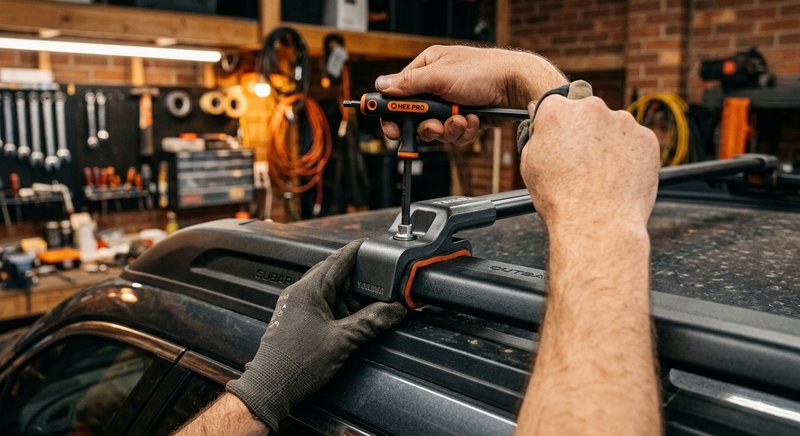
Even properly installed hardware can loosen slightly over time due to vibration and temperature changes. Every three months, or before any long road trip, recheck the torque on every mounting bolt against the manufacturer's specification. This is especially important after driving on rough roads or gravel.
Quarterly: Clean the Contact Points
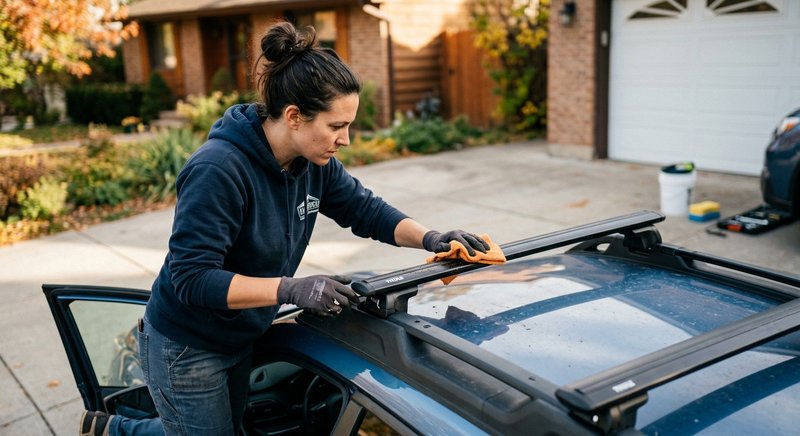
Dirt, road salt, and grit accumulate at the clamp-to-rail contact point and can accelerate wear on both surfaces. Remove the crossbars (or loosen clamps enough to access the contact area), wipe down with a mild soap and water solution, dry thoroughly, and reinstall.
Seasonally: Deep Inspection
At the start of each season, or at minimum twice a year, do a more thorough check:
- Remove and inspect rubber gaskets for cracking or compression set — replace if they no longer seal snugly
- Check aluminum components for oxidation (a white, powdery residue) and clean with a dedicated aluminum cleaner if present
- Inspect steel components more closely for rust, particularly in areas exposed to road salt during winter
- Lubricate any moving parts on quick-release clamp mechanisms per manufacturer guidance
After Winter Driving
Road salt is one of the biggest threats to roof rack longevity, especially for steel components. If you drive in winter conditions where salt is used on roads, rinse your roof rack system (and the rest of your vehicle undercarriage) more frequently, and inspect steel hardware for early rust signs come spring.
Before Every Long Trip
Regardless of your regular maintenance schedule, always do a full hand-check of every clamp and crossbar before a long road trip or when carrying a heavier-than-usual load. This is the single most important habit for safe roof rack use — a five-minute check before departure prevents cargo loss on the highway.
Roof rack failures are almost always preventable. A loose clamp rarely fails without warning — it usually shows some play well before it becomes dangerous, if you're checking regularly.
Storage When Not in Use
If you remove your roof rack seasonally, store crossbars and clamps in a dry area away from direct sunlight to prevent UV degradation of rubber gaskets. Keep the mounting hardware organized so reinstallation is straightforward when you need the rack again.
Know When to Replace
Replace any component showing structural cracks, significant corrosion, or a clamp mechanism that no longer holds torque reliably. Roof rack hardware is inexpensive compared to the cost of lost cargo or vehicle damage from a failure at highway speed.
Shop Replacement Parts and Hardware
Need a replacement clamp, gasket, or mounting kit? Our mounts and accessories collection covers common wear parts for most roof rack systems. Shop mounts & accessories →